
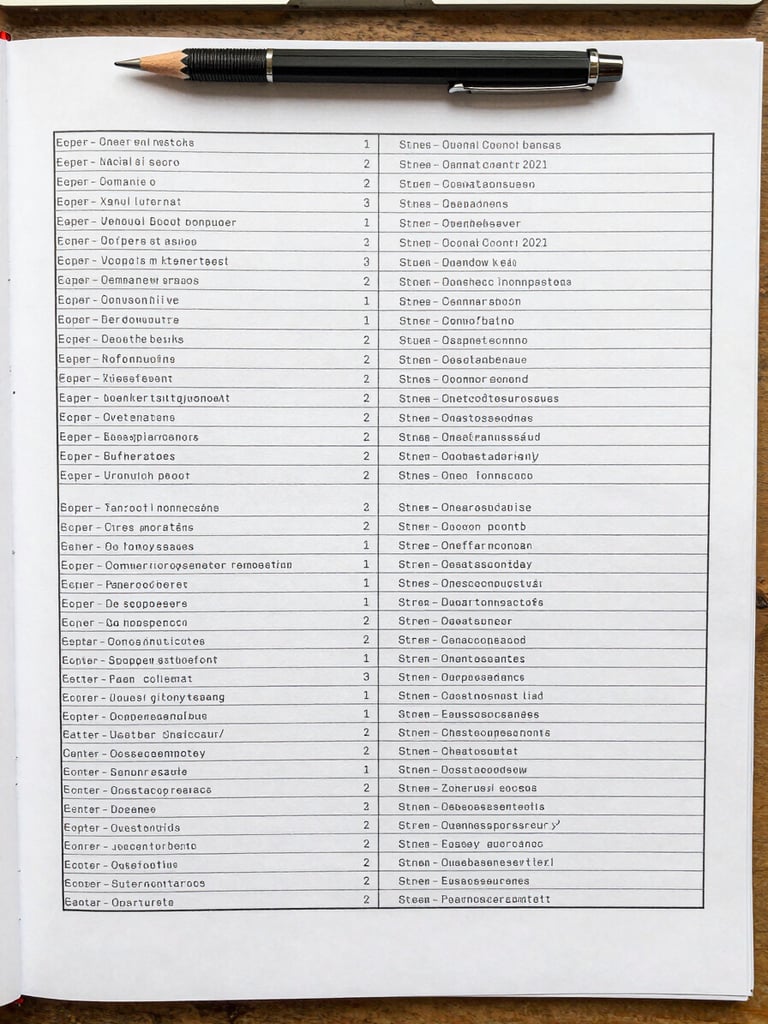
Stack A vs. Stack B: End-to-End RevOps Architecture
Two complete configurations — CRM, automation, BI, CPQ, and CS tooling — compared by data flow integrity, handoff reliability, and total annual cost of ownership.
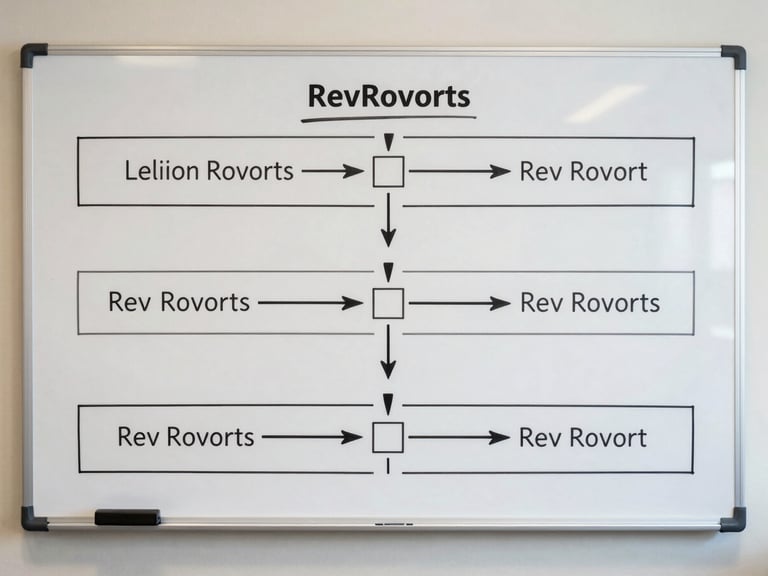
Layer-by-layer interdependency mapping
Each stack is decomposed into five functional layers: record ownership, event propagation, segmentation sync, pipeline state, and reporting latency. Interdependencies are documented before any cost figure is assigned.
Vendor lock-in exposure and viable migration paths are treated as structural criteria — not footnotes — in every layer comparison.
Three dimensions, two stacks, no ratings
Implementation Complexity
Handoff Reliability
Annual Total Cost of Ownership
Configuration depth, required integrations, and time-to-first-data are documented per stack — not estimated from vendor onboarding guides.
Cross-tool data handoffs are traced at the field level — sync latency, failure modes, and fallback behavior are recorded for each layer transition.
Licensing, implementation labor, ongoing admin overhead, and migration exposure are aggregated into a single annualized cost figure per configuration.
Full workflow execution comparison: both stacks, every layer
Independent evaluation. No vendor influence on criteria, scoring, or conclusions.
The complete breakdown documents field-level data flow, configuration prerequisites, and migration path risk — structured for procurement review, not vendor evaluation.